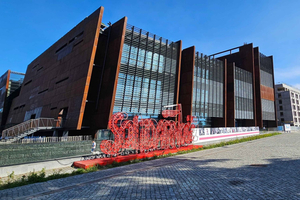
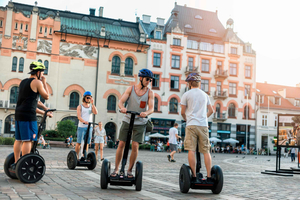
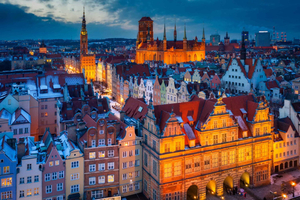
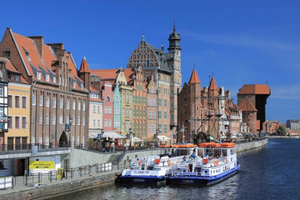
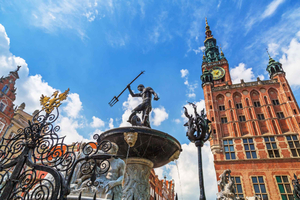
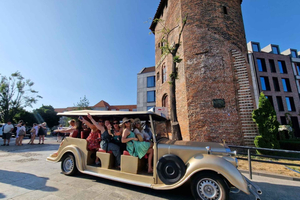
Gdansk isn’t just about pretty streets and amber shops, it’s packed with stories that’ll stick with you. Take a cultural tour and you’re not just seeing the city , you’re feeling its layers. From guided strolls through the Old Town where you can hear about the Hanseatic League’s influence, to visits inside the European Solidarity Centre that truly captures the city’s fight for freedom, these tours go beyond just ticking boxes.
I’ve always loved joining the weekday afternoon walks led by locals around the Wrzeszcz district. It’s a quieter part of town with surprising street art and cafés that often get missed. If you plan to visit in spring or early autumn, you’ll catch the tours when the crowds aren’t suffocating and the weather still feels right for wandering. Pro tip: ask your guide about the hidden murals near the shipyards, most tourists never notice them.
And if museums are more your rhythm, the National Museum’s Artus Court section gives you that medieval vibe with a side of Gdansk’s mercantile past. Cultural tours here never feel rushed,take your time to ask questions. They’re not just about dates and facts, but anecdotes and memories people who grew up here share. You’ll leave with more than photos; you’ll have a sense of Gdansk’s soul.
🌍 Part of the My Guide Network180+ destinations worldwide
If you want to experience Gdansk like a local, skip the giant group tours and find a smaller, locally-run one instead. They often take you to places you wouldn’t otherwise stumble upon, like the downstairs café in the Long Market or the riverside neighborhoods where old shipbuilders lived.
One of my favorite guides is Kasia, who runs intimate, weekday afternoon tours that wind through cramped alleys near St. Mary’s Basilica before ending at a quiet spot overlooking the Motlawa river. These tours are conversational,you’ll hear stories locals don’t usually share. Oh, and always bring a comfortable pair of shoes; some cultural spots aren’t exactly made for high heels or slick city sneakers.
Frequently Asked Questions
Here are some quick answers to common questions about cultural tours in Gdansk.
Absolutely, many local guides speak English fluently. I’ve found that booking in advance helps, especially in off-season months, so you’re sure to get a guide who’s not just fluent but passionate about the city.
Spring and early autumn are golden. The weather’s mild, and the city feels less crowded. Summer’s busy and hot, while winter tours are still great, but prepare for chilly winds coming off the Baltic.
Yes, private tours are quite popular here. They give you a chance to ask tons of questions and even tweak the route a bit. I recommend reaching out directly to local guides,they’re often more flexible than big agencies.
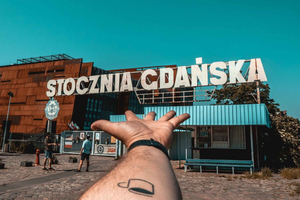
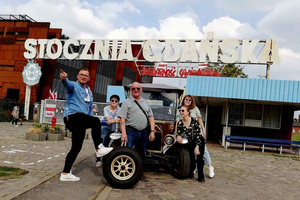
Many do, especially those focused on modern history. The shipyards are a big part of Gdansk’s identity and the birthplace of the Solidarity movement. It’s an emotional and insightful stop that’s definitely worth it.
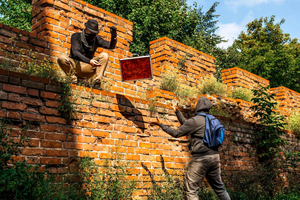
Yes! Wrzeszcz and the shipyard area have some fantastic street art tours. They’re less formal and often led by artists or art lovers who share stories behind the murals, making for a relaxed and colorful experience.
Most run about two to three hours, which is just enough time to get a good feel without getting overwhelmed. Some museum-based tours might be shorter or longer depending on your interest.
Sometimes yes, sometimes no. A lot of tours include museum entrance in their price, but for popular spots like the European Solidarity Centre, it’s smart to check ahead or book online to avoid lines.